- Sains
- Meja Berita
- Source: uk.euleader.org
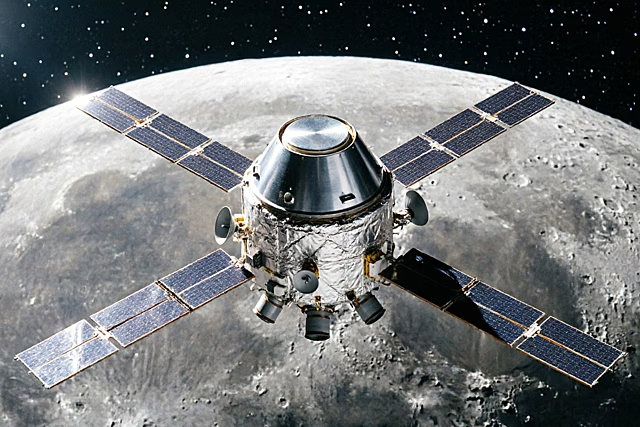
American, German and Israeli experts have completed the analysis of data collected during the Artemis 1 lunar mission. They studied the effectiveness of protective vests, designed to cover the most radiation-sensitive human internal organs: lungs, stomach, bone marrow, chest and ovaries.
Tests were carried out on two female dummies – for this type of astronaut the risk of cancer from radiation is considered to be the highest. Details have been published in the journal Science Advances.
The dummies, named Zohar and Helga, spent nearly a month aboard the Orion spacecraft, flying to the moon and back. One of them, Zohar, was wearing a 26 kg vest made by an Israeli-American startup, while Helga took off without additional protection. Each mannequin is equipped with more than 5,600 radiation sensors placed in different areas of the “body”, making it possible to obtain detailed images of the dose distribution.
The main material of the vest is high-strength polyethylene, which effectively weakens the flow of charged particles. The product's design is designed to provide additional shielding precisely in the areas where radiation damage is most dangerous to health. Since no strong solar flares were recorded during the Artemis 1 mission, scientists used a modeling approach: they used real radiation measurements obtained as the spacecraft crossed the inner Van Allen radiation belt and extrapolated them to the conditions of hypothetical storms.
Calculations have shown that the vest is capable of reducing the effective radiation dose by about 60% during an event of comparable strength to the 1972 solar storm and by 40% during the 1989 storm. In absolute numbers, this corresponds to a reduction in radiation load of 193 and 131 days in space, respectively. Although current lunar expeditions last no more than two weeks, in the future the creation of manned bases on the Moon will require many months of human presence, and in such conditions the vest will become an important piece of equipment for surviving unexpected solar storms.
In addition, such protection will be indispensable during long interplanetary flights, especially in future Mars missions, where background radiation is much higher than in low Earth orbit.
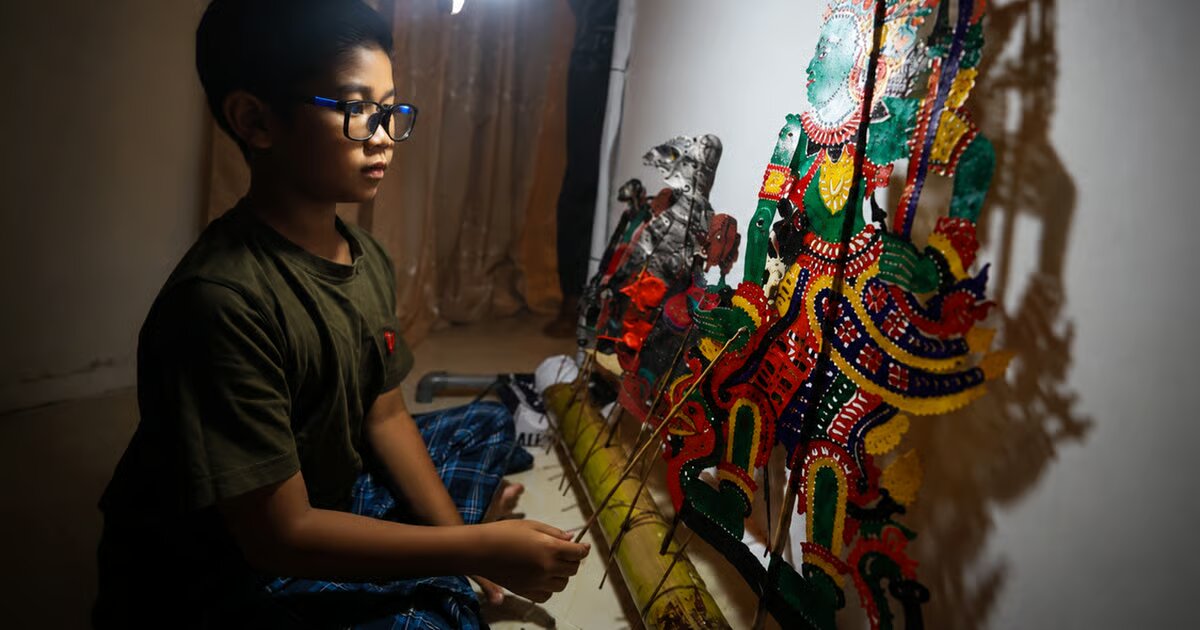 — Seorang kanak-kanak berusia 10 tahun dari Kota Bharu kini mendalami seni wayang kulit selepas bermula dengan tugasan sains Tahun Dua, malah sudah membuat persem
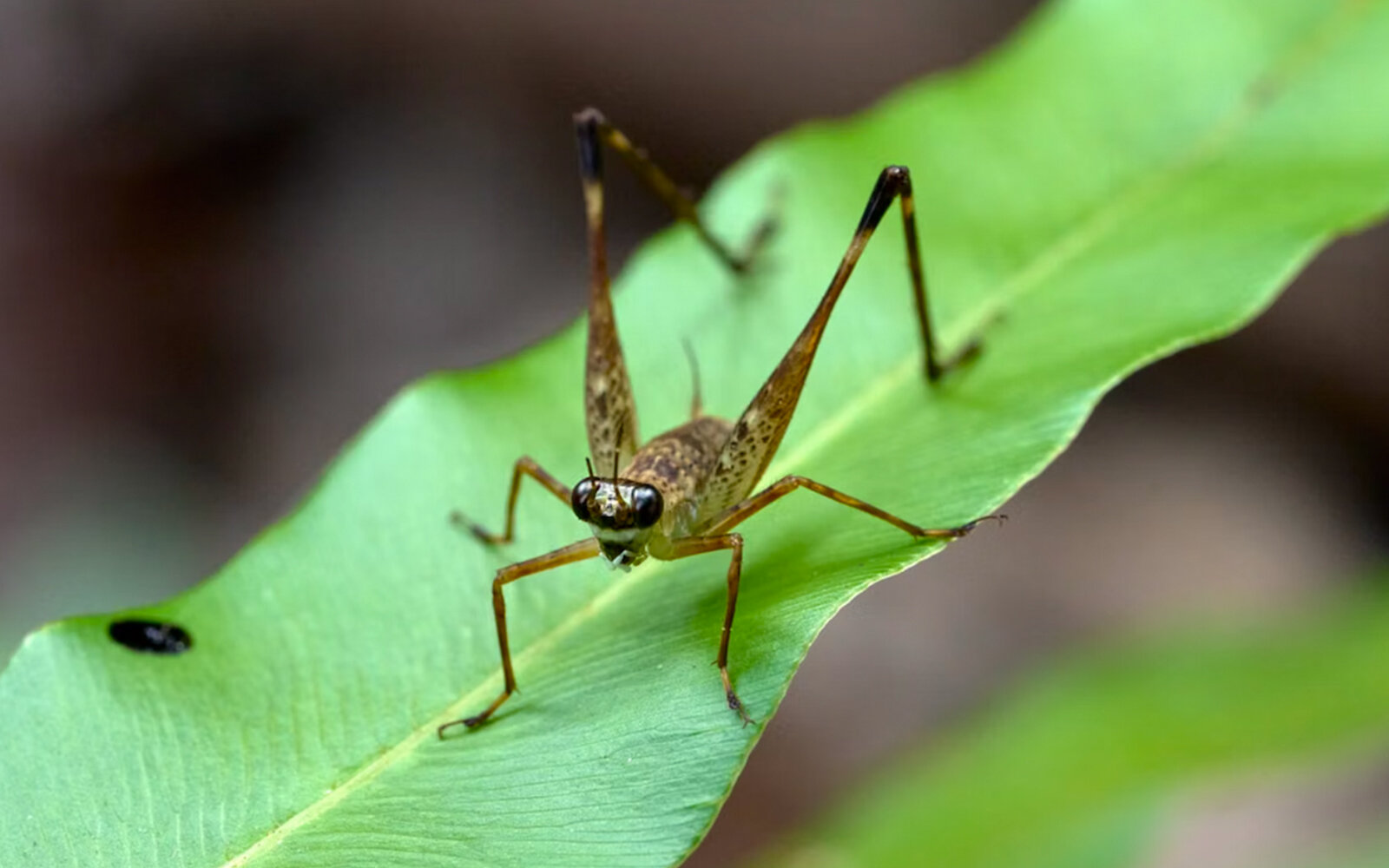 — Sekumpulan ahli entomologi antarabangsa menemui seekor cengkerik kecil di Hutan Simpan Tangkulap, Sabah yang mungkin spesies baharu dan genusnya belum pernah di
 — Kajian University of Florida mendapati pengguna glukosamin dengan kemerosotan kognitif ringan mempunyai kemungkinan 25% lebih tinggi beralih kepada demensia, na